The Tenner at the Bottom of Your Pack: A Realistic Guide to Emergency Shelters
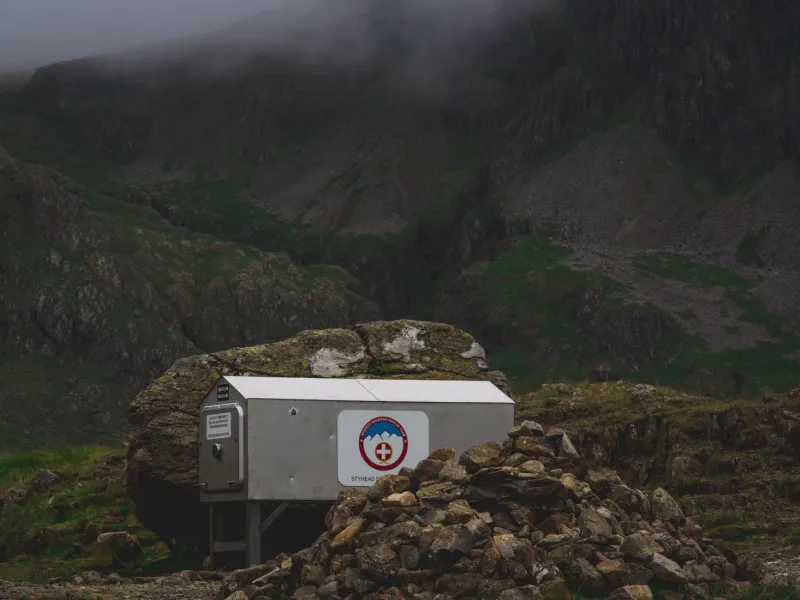
Every rucksack has one: a crinkly little package that has been in the bottom pocket since the last time you sorted your kit. It cost about a tenner, weighs almost nothing and has never been opened. Emergency shelters are one of the easiest pieces of outdoor kit to buy and one of the easiest to misunderstand. They are not tents, they are not sleeping bags and they will not turn a bad day into a comfortable one. But used properly, they can buy time, cut heat loss and make a miserable wait a lot less dangerous.
The claims are not all nonsense
You will see foil blankets advertised as retaining up to 90 per cent of body heat. You will see blizzard bags described as reusable survival bags, and group shelters sold as four-season protection. There is a grain of truth in all of it, but the wording tends to be generous. These products work mainly by reducing heat loss from wind, rain and radiative cooling. They do not generate warmth. If you are already cold, wet and underfed, a sheet of shiny plastic is not a magic fix. It is a supplement to decent clothing, food, navigation and decision-making.
That matters on a British hill day because our weather rarely arrives as a single, obvious emergency. More often it is a slow accumulation of small problems: a shower that lasts longer than forecast, a windchill that bites on an exposed ridge, a lunch stop that goes cold, a ankle tweak that turns a fast descent into a slow hobble. Emergency shelters are most useful in that middle ground, before a situation becomes a callout but after it has stopped being fun.
Foil blankets: tiny, cheap, genuinely useful
A basic foil blanket is usually a rectangle of metallised plastic, around 50 to 100g, folded into a palm-sized packet. It is windproof, waterproof-ish and reflective. For a tenner you can buy several, which is just as well because they are not built for repeated abuse. Used carefully, a foil blanket makes a decent emergency wrap for a casualty who is out of the wind and already wearing warm layers. It can also work as a signal, a groundsheet for a bag or a makeshift windbreak while you sort out a problem.
What it will not do is provide insulation. The shiny layer reflects radiant heat, but there is no loft to trap warm air. Wrap it tightly around a wet, cold person in a windy col and condensation will build up, the blanket will flap, and the person will still be cold. It tears easily, especially in wind, and it is awkward to put on with gloves. A foil blanket is a sensible minimum for any UK hill day, but it is not a plan on its own.
Blizzard bags: more than a shiny sack
A blizzard bag, or emergency bivvy bag, is the sturdier cousin. It is usually a sealed bag made from aluminised polyethylene or similar, weighing around 200 to 300g. You climb inside, pull it up over your head and close it down. Because it encloses the body, it reduces convective heat loss far better than a loose foil sheet. Many are reusable, which means you can practise with them, and that is a big advantage.
They are most useful when someone is injured, exhausted or properly cold and you are waiting for help in wet, windy conditions. The key is to get out of the wind first, put something insulating underneath, remove wet outer layers if you can, and then get into the bag. A blizzard bag over a wet jacket still works better than nothing, but it works much better over dry layers. Do not cinch the opening so tight that you trap condensation or restrict breathing. And remember that it is a shelter, not a sleeping bag: you still need food, a hot drink if you have one, and a clear plan for calling for help.
Group shelters: the underrated team kit
A group shelter is a different beast. Usually made from lightweight nylon or polyester, it is a bright, bag-like shelter big enough for four to eight people. At 300 to 500g it is heavier than a foil blanket, but it earns its place on group days, winter walks and any trip where a lunch stop can turn into a shivering huddle. Bodies generate heat, and a group shelter traps some of that while blocking wind and rain. It is also useful for casualty care, map decisions and keeping morale from sliding.
It is not a tent. Condensation builds quickly, ventilation matters, and you should never cook inside one. It also needs practice. Someone has to carry it, someone has to get it out quickly, and everyone needs to know how to get in without turning it into a sail. On a windy day, that is a skill. If you walk in a pair or a small group, a group shelter can be more practical than everyone carrying individual foil blankets. If you walk alone, it is dead weight.
What actually matters on a British hill day
The shelter is one part of a system. A map and compass, a headtorch, spare food, water, a whistle, a charged phone and a warm layer matter just as much. So does telling someone where you are going and when you expect to be back. In the UK, you can call 999 or 112 and ask for police, then mountain rescue. If your phone is working, a location app or grid reference helps, but do not assume signal. The shelter buys you time; it does not replace good judgment.
Think about your typical day. A low-level winter walk in the Yorkshire Dales may only need a foil blanket and a warm flask. A long Cairngorms plateau day in March deserves a blizzard bag and the knowledge to use it. A club walk with six people is a natural home for a group shelter. Match the kit to the consequence, not to the price tag.
Practise before you need it
Open the packet at home. Try putting the foil blanket around yourself with gloves on. Time how long it takes. Get into a blizzard bag in the garden or a local park on a cold, windy day and see how much room you have, how the opening works and whether you can get out quickly. Do the same with a group shelter and a couple of mates. You will learn more in ten minutes of faffing than from any product description.
Then repack it properly, mark it so you can find it in a hurry, and put it somewhere accessible rather than under three days of sandwiches. Check it before each season. Foil blankets crease and tear; blizzard bags can delaminate; group shelters can develop holes. A tenner is brilliant value, but only if the thing is intact and you know what to do with it. Buy one, learn it, and then hopefully leave it at the bottom of your pack for another year.