Try Before You Trail: Hiring and Borrowing Outdoor Kit in the UK
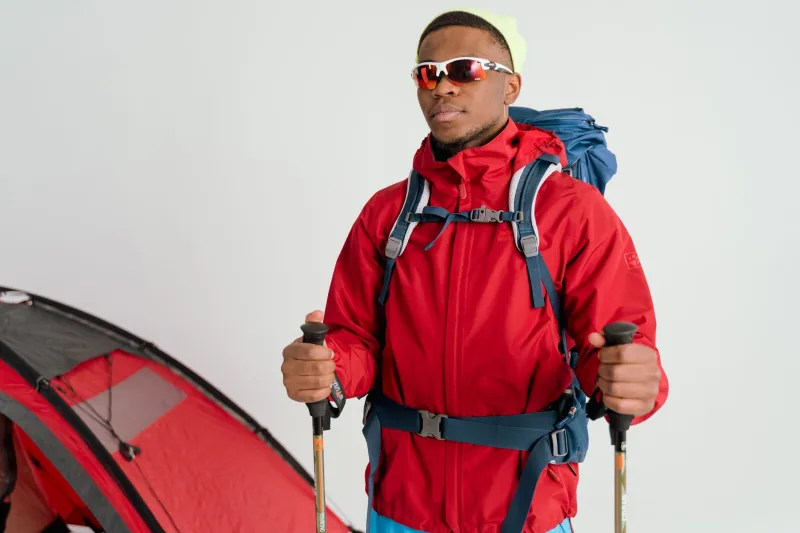
Buying outdoor kit is easy. Buying the right outdoor kit is the bit that stings. A tent that looked sensible online can feel like a sauna by midnight, a pack can rub your shoulders raw on the first climb, and a winter jacket can turn out to be the wrong kind of warm. That is where the UK's growing patchwork of gear libraries, rental huts and kit-loan schemes earns its keep. You get to try the stuff on real ground before you commit, and you keep more cash for the actual adventure.
What counts as a gear library?
The phrase covers more than a shelf of donated rucksacks. In practice you will find three main flavours. First, community lending schemes, often run as Library of Things projects or local share sheds, where members borrow household and outdoor items for a small fee. Second, outdoor club and society loan pools, especially around universities and climbing clubs, which often have tents, stoves and packs for members. Third, commercial rental outfits and hostel or bunkhouse kit cupboards, which tend to focus on tents, sleeping bags, mats and sometimes waterproofs.
The quality varies wildly. A village share shed might have one dusty tent and a genuinely useful set of walking poles. A city Library of Things may have camping bundles that include a tent, stove and lantern. A proper outdoor hire shop will have staff who can check pole sets and explain pitch shapes. None of this is a reason to avoid borrowing. It is a reason to ask questions before you reserve.
The stuff worth borrowing, and the stuff I would still buy
Borrowing makes most sense for gear that is expensive, bulky, seasonal or hard to size on a first go. A tent is the classic example. You can hire a two-person weekend tent for a first camping trip, discover whether you actually enjoy sleeping on a cold floor, and then buy something you understand. Large packs are another good hire: a 65-litre pack for one trip is a lot of cupboard space for a maybe. Winter insulated jackets, down trousers and heavy sleeping bags are also strong candidates if you only need them for a cold snap or a single trip.
Sleeping bags are borrowable, but only with a liner and a clear cleaning policy. Check whether the bag has been laundered and whether the loft is still decent. If it smells of old campfire and feels flat, walk away. Packs need a proper try-on with weight inside, not just a quick hoist in the shop.
I would still buy boots, socks and base layers. Fit and hygiene matter too much, and boots especially need breaking in on your own feet. A headtorch is cheap enough to own, and so is a basic first aid kit. Borrow the big-ticket items, own the personal ones.
The inspection minute
When you collect hired kit, give it a once-over before you leave the counter. For a tent, pitch it if you can, or at least check the poles snap together, the zip runs smoothly, the groundsheet has no rips and all the pegs are present. Look at the fly for delamination or sticky patches. For a pack, check the hipbelt, shoulder straps, buckles and base for abrasion. For a sleeping bag, check the zip, the hood drawcord and the loft. For a waterproof or insulated jacket, check the main zip, cuffs, hem and any taped seams.
Ask what happens if something fails. A good rental outfit will have a repair kit, a replacement policy and a clear damage deposit. A gear library may simply ask you to report faults and return items clean. Get the return time in writing if it is not obvious. Late fees can quietly eat the savings.
What it actually costs
Prices vary by region and by scheme, but a useful rule of thumb is that a weekend tent hire in the UK often lands somewhere between fifteen and forty pounds. A large pack might be ten to twenty-five pounds for a weekend. A sleeping bag might be ten to thirty pounds, and a winter jacket fifteen to thirty-five pounds. A full beginner bundle, including tent, mat, bag and stove, can sometimes be had for fifty to eighty pounds for a weekend. Community libraries are often cheaper, sometimes free to members, but choice is limited.
Compare that with buying. A decent entry-level tent costs around one hundred to three hundred pounds. A sleeping bag that will keep you warm in a British shoulder season is another eighty to two hundred. Add a mat, stove and pack and the bill climbs quickly. If you are going to use the kit once or twice, hiring is usually the sensible call. If you are booking your fourth trip of the year, buying starts to make more sense, especially for items you will use regularly.
When renting genuinely beats buying
Rent when you are trying a new activity. Rent when you are flying abroad and do not want to check a tent. Rent when children are still growing out of everything. Rent when you need one serious winter layer for a single cold-weather trip. Rent when you want to test whether an ultralight pack actually suits your shoulders before spending serious money.
Buy when fit is critical and repeated use is likely. Boots, for example. Buy when hygiene matters and you cannot verify the cleaning. Buy when you are heading out often enough that the hire fees would have paid for the item twice over. Buy when you need the kit to be yours for a long through-hike or a season of weekends. And buy when the rental option is so basic that it becomes a false economy.
A simple first-timer's plan
Start local. Search for a Library of Things, a share shed or a community gear library in your area. Then check outdoor shops that hire, hostel noticeboards and local walking or climbing clubs. Reserve early, especially before bank holidays and school breaks. Collect in person if you can, so you can inspect the kit. Take your own sleeping bag liner, a repair patch and a dry bag for anything that might get wet. Pitch the tent in a park or garden before you leave, if the lender allows it. Return everything clean and dry, and report damage honestly.
Borrowing is not a lesser way to get outdoors. It is a smart way to learn what you actually need. The best gear is the gear that fits your trip, your body and your budget. Sometimes that means buying once and buying well. Sometimes it means hiring the tent, borrowing the pack and spending the saved money on a train ticket to somewhere brilliant.