Sleep Through the Services: A Highlands Weekend Built Around the Caledonian Sleeper
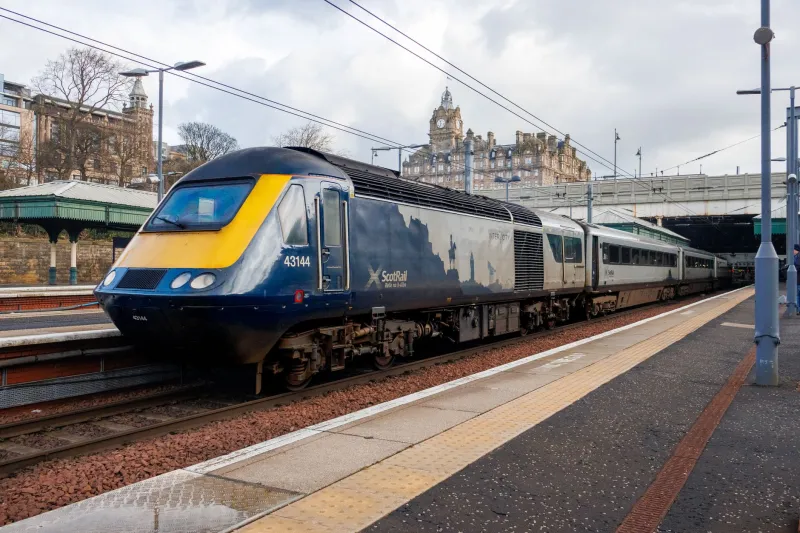
The Caledonian Sleeper has a hold on people. Mention it in a pub and someone will tell you about the time they woke up to a sunrise over Rannoch Moor, as if the train itself had arranged the weather. It is a good train. It is also a tool, and like any tool it works best when you use it for the job it was designed to do rather than treating it as a personality.
The job, in this case, is buying daylight. A Friday night on the sleeper can put you on a Highland platform on Saturday morning with a full day ahead of you, no Friday hotel, no Saturday dawn drive, and no wasted half-day spent watching the M6. That is the pitch. Here is the realistic version.
What the sleeper is, and what it is not
The Caledonian Sleeper runs overnight from London Euston to Scotland, with the Highlander service splitting for Inverness, Fort William and Aberdeen, and the Lowlander covering Edinburgh and Glasgow. You can book a reclining seat, a Classic room, or a Club room. Seats are the cheap option. Rooms are the sleep option. Neither is a hotel.
A Classic cabin is compact in the way a tent porch is compact. It has a bed, a washbasin, and just enough floor space for a small bag if you are disciplined. Larger luggage goes in the racks. Club rooms add a bit more space and a different breakfast arrangement. None of this is a problem if you pack for a hill day rather than a fortnight in the Alps.
The bigger caveat is sleep quality. Some people sleep brilliantly on trains. Others lie there listening to every joint in the track and arrive feeling like they have done a night shift in a filing cabinet. Be honest with yourself about which sort you are. A cheap seat is only good value if you can function on four hours of broken kip. If you cannot, the cabin is not an upgrade — it is the actual ticket.
The trip shape that makes it earn its fare
The sleeper makes most sense on a two-night, one-full-day-and-a-bit trip. Leave London on Friday evening, arrive in the Highlands on Saturday morning, walk or ride on Saturday, do something shorter on Sunday, then take the Sunday night train home. You will roll into Euston on Monday morning rather tired, so either book the Monday off or plan a gentle working day.
Fort William is the classic example. The sleeper arrives in the town around late morning, which gives you time to sort yourself out, get to a start point, and still have a decent afternoon on foot. Inverness works similarly, with an earlier arrival and more options for buses. Check the current timetable before you build anything around it — engineering works and seasonal changes are a real thing, and a diverted or bus-replaced sleeper is a very different proposition.
The key is not to over-plan the Saturday. You have been on a train. Your legs are stiff, your sleep may have been odd, and the light goes early in winter. A low glen walk, a forest circuit, or a modest Corbett is a better first day than a big ridge. Save the ambitious stuff for a trip where you slept in a bed that was not moving.
Costs without the gloss
As of late 2026, advance seats on the sleeper can be reasonable if you book early and travel midweek or on quieter dates. Think tens of pounds rather than hundreds, but not always. Classic rooms are a different bracket — often well over £150 one way, sometimes considerably more depending on demand and flexibility. Club rooms sit above that. Solo travellers pay for the room, not per person, so the maths is hardest when there is only one of you.
Compare it properly. A Friday night in a cheap Fort William or Inverness hotel, plus fuel or a train fare, plus the value of your Saturday morning, is the real comparison. For two people sharing a cabin, the sleeper can look sensible. For a solo traveller in a seat, it can be excellent value if you sleep. For a solo traveller in a cabin, it is often an expensive novelty — pleasant, but not automatically smart.
Book directly with the operator if you can, keep an eye on flexible fare rules, and avoid half-term and bank holidays unless you enjoy paying peak prices for a bunk. Railcards and discounts vary, so check before assuming your usual card applies.
Station to hill: the bit people forget
A common mistake is treating the station as the end of the journey. It is not. Fort William station is right in town, which is useful, but the hill starts are still a bus, taxi or walk away. Inverness station is central, but the good stuff is not on the platform. Have a plan for the first mile, and a backup if the bus you were relying on does not run in winter or fills up with everyone else who had the same idea.
Do not assume left luggage will be available. Some stations have it, some do not, and opening hours can be unhelpful. The cleanest approach is to carry everything you need for the day and keep the total weight low. If you are relying on a cafe or supermarket to open early, check that too. A station shop in November is not a guarantee.
The cabin-sized kit bag
You do not need much, but you do need the right much. A soft 40-litre bag is about right for a weekend: one change of clothes, spare baselayer, midlayer, shell, hat, gloves, headtorch, water bottle, flask, snacks, and a small wash kit. Add earplugs and an eye mask — they are not glamorous, but they are the difference between arriving human and arriving feral.
Wear your boots on the train or carry them, but do not pack them at the bottom of a bag you cannot open in a cabin. Keep a lightweight pair of camp shoes or slippers for the train itself. Pack so you can walk off the platform and straight into the day without repacking on a concourse. That means your waterproof, gloves and hat should be near the top, not buried under three days of optimistic clothing choices.
Check the luggage rules before you travel, especially if you are bringing walking poles, a stove, or anything with fuel. The sleeper is not a flight, but it is not a removal van either.
When it is just an expensive novelty
If you are doing one night only, the sleeper rarely pays. You spend a lot of money to arrive tired, then spend another lot to leave before you have properly settled. If there are four of you, the cabin maths gets ugly fast. If you are carrying heavy expedition kit, bikes, or a lot of camera gear, the faff goes up and the benefit goes down. If you need flexibility, the sleeper is the wrong tool — advance fares and fixed departure times do not mix well with a wait-and-see weather policy.
And if you know you do not sleep on trains, do not buy the romance. A Travelodge and an early start may be less Instagrammable, but a bad night's sleep in a £200 cabin is still a bad night's sleep.
A low-faff shoulder-season plan
Book a Classic cabin for Friday night, eat before you board, and take one small bag. Arrive Saturday, buy lunch and water in town, do a low route that suits the weather, and stay somewhere simple on Saturday night. Sunday is for a shorter walk, a cafe, and the return sleeper. Keep the whole thing to one hill day and one valley day. Check the train times, check the weather, and check whether the line is actually running as advertised.
That is the sleeper at its best: not a bucket-list experience, not a replacement for a hotel, but a moving basecamp that turns a wasted Friday and a rushed Saturday into a proper day out. Use it to buy daylight. If it is not buying you daylight, it is probably just buying you a story.