Packraft Reality Check: What £300 Really Buys on UK Water
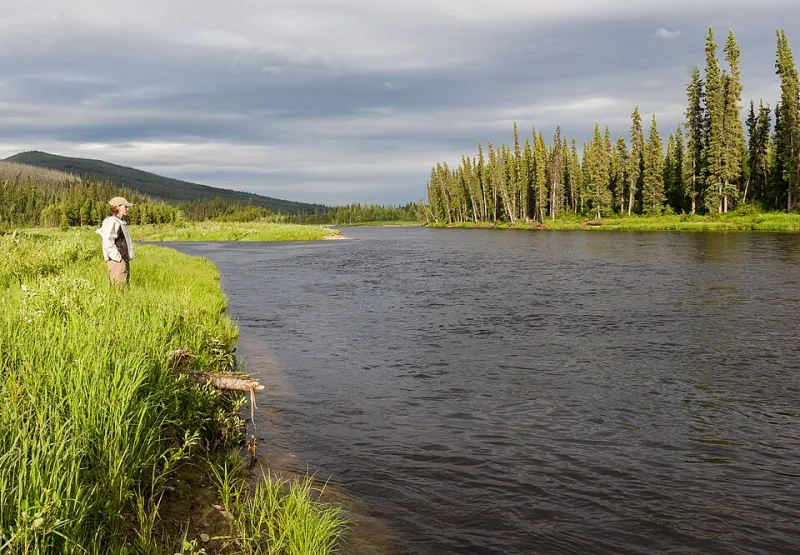
Photo: BLM Alaska, Public domain, via Wikimedia Commons
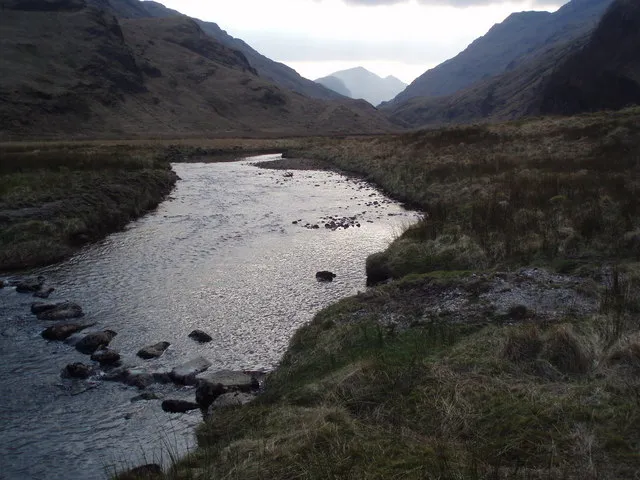
Packrafts have a seductive sales pitch: a boat that lives in a rucksack, goes on the train, and turns a dull canal towpath into a waterborne adventure. The entry price—roughly £250 to £400 for a basic single-seater—makes it look like the smartest cheap adventure buy going. But after a couple of damp weekends testing a borrowed £295 packraft on calm Scottish water, I’d say the boat is only half the story. The other half is the kit you cannot skip, the access you need to check, and the honest question of whether you’ll use it enough to justify the shed space.
What £300 actually buys
At this end of the market you’re looking at a single-person inflatable with a simple seat, a skeg, and a hull that packs down to about the size of a sleeping mat. Weight is usually 2.5–4kg; inflation takes five to ten minutes with a decent pump. You may get a pump and repair patches in the box, but don’t count on it. You’re not buying a whitewater boat. You’re buying a stable, slow, surprisingly capable craft for canals, sheltered lochs and gentle rivers. It will not make you a paddler. It will get you onto water you’d otherwise walk past.
The safety kit you cannot skip
Here’s where the £300 fantasy gets a reality check. A proper buoyancy aid—not a swimming float, not a dry bag—starts around £50 and can easily hit £90. If there’s any chance of trees, rocks or moving water, add a helmet. Cold-water clothing matters more than the boat: a wetsuit is the budget option, a drysuit is better and costs more than the packraft. You need a throwline, a dry bag for phone and keys, a pump, repair patches, and a way to call for help. That lot can add £150–£300. Suddenly the cheap boat isn’t quite so cheap—but the safety kit is the part that makes the adventure sensible rather than silly.
Ownership vs rental, guided trips and boots
Rental is the obvious comparator. A day’s packraft hire might cost £40–£70; a guided flat-water trip £80–£120. If you’re only going out twice a year, rent. If you’ll paddle eight or ten times a season, ownership starts to make sense—especially if you live near water and can walk or cycle to it. Then there’s the walking-boots test. A very good pair of boots costs £150–£200 and unlocks thousands of footpaths. A packraft costs more once you’ve kitted up, and it unlocks a narrower but different world: water. Neither is better. They’re different keys.
Three starter routes
These are the sort of places where an entry-level packraft makes sense. Check access, licensing and weather before you go; canals and navigable rivers often need a licence, and Scottish access rights are broader but not a free-for-all.
- Canal: Forth & Clyde Canal, near Falkirk. Calm water, easy get-outs, towpath backup. Good for a first inflation and a short there-and-back. Check Scottish Canals licensing.
- Lake: Loch Morlich, Cairngorms. Sheltered, beautiful, and easy to launch from the beach. It’s cold, so dress for immersion and pick a calm day.
- Slow river: River Great Ouse around St Ives, Cambridgeshire. Gentle flow, navigable water, plenty of bankside pubs. Check your licence and avoid high water.
The verdict
So is a £300 packraft the smartest cheap adventure buy? It can be—if you factor in safety kit, check access, and have easy water nearby. If you don’t, it’s a bulky promise that ends up behind the lawnmower. My rule: rent three times, then decide. If you’re still grinning after the third trip, buy the boat and budget properly for the kit. If you’re not, spend the money on boots and a train ticket. The adventure is the point, not the inflatable.