Nothing to See Here: The Lightweight Loo Kit That Makes Leave-No-Trace the Easy Option

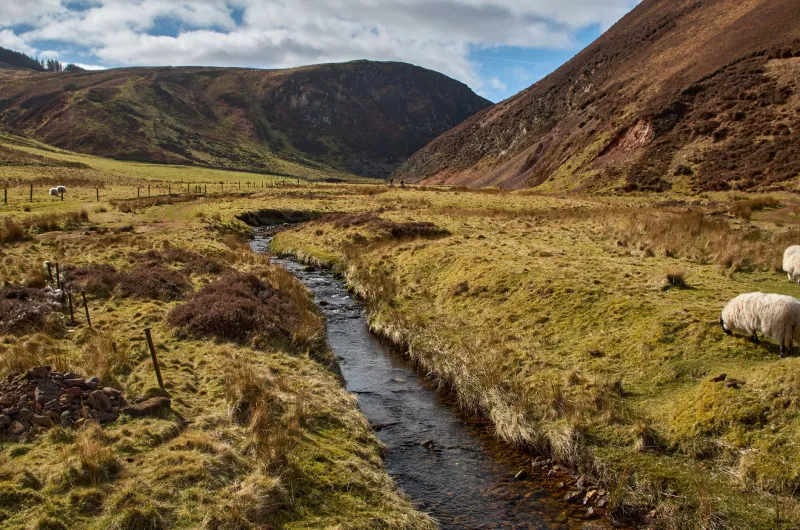
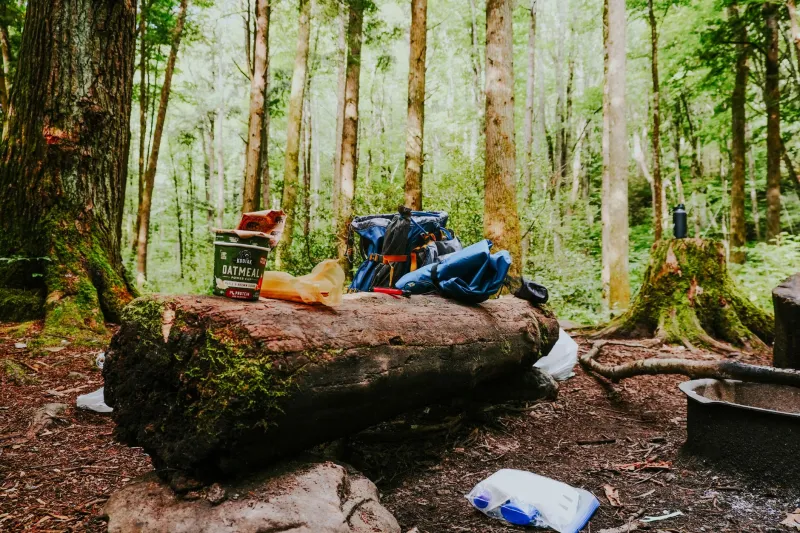
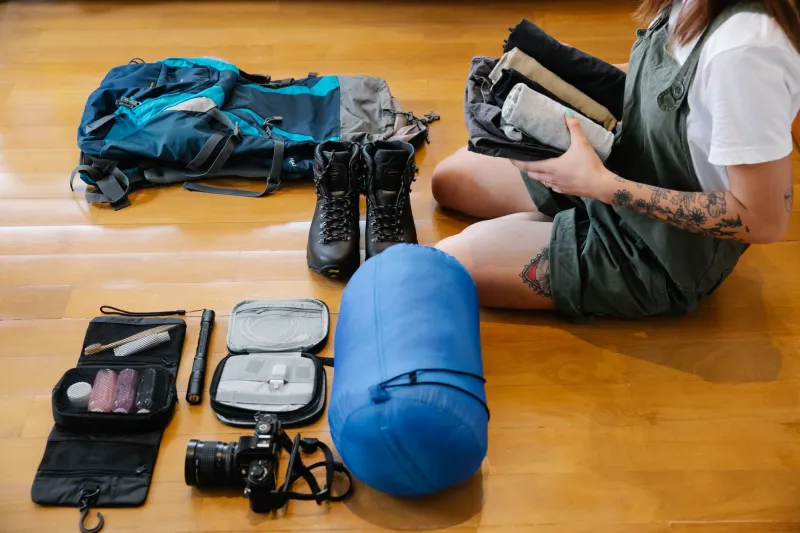
Photo: wild camping trowel wag bag toilet kit bothy UK outdoor, via img.freepik.com
You can spend weeks dialling in your layering system, weighing gas canisters and arguing about which bothy has the better fireplace. Then nature calls at 6am on a frosty Scottish morning, the bothy has no loo, and the difference between a good day and a grim one comes down to a small dry bag you either packed or didn't.
This isn't a lecture. Most people who spend time in the UK hills want to do the right thing. The problem is that responsible sanitation is often presented as a moral test rather than a kit problem. If your trowel is buried at the bottom of your pack and your only toilet paper is a sad, damp roll in a side pocket, you'll improvise badly. A dedicated loo kit makes the right behaviour the easy behaviour.
It's a kit problem, not a personality flaw
A good sanitation kit should be small enough that you never debate leaving it behind, and complete enough that you never have to raid your first aid kit for a spare bag. Think of it as the quiet cousin of your repair kit: not exciting, not photogenic, but the thing that keeps a trip civilised.
The target is roughly 300g. That's less than a full water bottle, and it covers the whole weekend if you're sensible. You don't need a portable chemical toilet or a folding throne. You need a few deliberate items in one place, so the routine is boring and quick.
Trowel or wag bag? Both, sometimes
A lightweight trowel is the traditional answer. Something like a Deuce #2 or a Vargo Dig Dig weighs very little and digs a proper hole. In the UK, that means 15–20cm deep, at least 30m from water, paths and buildings, and well away from bothies. Peat and thin upland soil are not generous hosts, though. If the ground is rocky, rooty or frozen, a trowel is just a blunt instrument and a bad idea.
That's where wag bags earn their place. They're not glamorous, and nobody enjoys using them, but they work when burial isn't possible or sensible. Busy hotspots, popular bothy approaches, alpine-style rocky ground and anything near a water source are all good candidates for packing out. Take one per person per night as a baseline, plus a spare if the bothy has no toilet. Double-bagging with a smell-proof or at least sturdy zip bag keeps things civilised in your pack.
A practical split for a UK weekend: trowel as the primary tool where soil allows, wag bags as the backup and the default for sensitive or busy areas. That way you're not carrying a full pack-out system for every trip, but you're never stuck.
Paper, wipes and the bag trick
Toilet paper in cold, wet UK soil can take a surprisingly long time to break down. Burying it is not the clean win people imagine. The simpler rule is to pack out used paper in a dedicated bag. A small ziplock or a dog-poo bag works; a proper compostable bag is better if you can find one that actually breaks down.
Before you leave, strip the cardboard core out of the roll and flatten it. Pre-cut strips or a small folded stack saves fiddling with a damp roll in the wind. Keep the clean paper in one bag and the used paper in another. It sounds fussy; it takes about ten seconds and saves a lot of low-level stress.
Wet wipes are a trap unless you're genuinely carrying them out. 'Flushable' and 'biodegradable' are marketing words, not hill rules. If you use them, they go in the pack-out bag too. A tiny bottle of hand gel lives in the same pouch, and a small pack towel or cloth is useful for drying hands before gel.
Hand hygiene that survives a cold morning
Hand gel is the lightest option, but it doesn't work well on muddy hands. A 50ml bottle of alcohol gel is fine for most bothy and wild-camp mornings. If you're somewhere with water, a few drops of biodegradable soap and a proper handwash is better, especially before cooking or eating. Keep the soap in a tiny bottle and don't wash directly in a stream; use a pot or bottle and tip the grey water well away from water sources.
The point isn't clinical sterility. It's stopping a small sanitation job from turning into a stomach upset that ends the trip early.
Bothy etiquette in practice
Bothy etiquette is mostly about not making your problem someone else's. If the bothy has a toilet, use it. If it doesn't, don't bury anything within sight of the building or the path. Don't burn toilet paper in the stove; it doesn't disappear and it makes the place grim for the next person. Don't leave your loo kit bag hanging in the main room as a conversation starter.
Pack out everything you bring in, including the bag that held the used paper. If you're staying in a popular bothy, assume the ground around it has seen enough traffic and default to wag bags. It's not about being precious; it's about keeping these places usable for the next person who needs a dry floor and a quiet night.
A realistic 300g list
- Lightweight trowel: 15–30g
- Two wag bags: 100–140g
- Toilet paper, core removed, in a ziplock: about 30g
- 50ml hand gel: about 60g
- Spare ziplock or dog-poo bag: about 20g
- Small dry bag or stuff sack to hold it all: about 30g
That's the whole kit. It fits in a side pocket, survives a damp weekend and doesn't require a spreadsheet. Adjust the numbers for trip length and how busy the area is, but keep the kit together so it's always ready to go.
The test: would you carry it again?
The real measure of a kit is whether you'd pack it next time without thinking. This one passes. It makes the awkward part of a bothy weekend quick, contained and forgettable, which is exactly what it should be. You'll still notice the cold, the midges and the state of the bothy floor. You just won't be lying awake worrying about the other thing.