Less Fiddling, More Hill: The Hidden Cost of High-Faff Kit
Most outdoor kit reviews count grams, litres and pounds. Fair enough. But there is another currency on every short British trip: minutes. The tent that needs two people and a dry spell. The stove that demands a ritual. The dry bag system that turns a snack stop into a lucky dip. None of it shows up on a spec sheet, yet it all gets deducted from your day.
Call it the faff tax. It is the time and attention your gear takes before you leave the house, when you arrive, when the weather turns and when you pack up damp on a Sunday morning. On a long expedition, a few extra minutes may be a fair trade for capability. On a Friday-night campsite, a Saturday hill day or a one-night bothy trip, faff is often the difference between a trip that feels generous and one that feels like admin in waterproofs.
What the faff tax actually looks like
Faff is not one big problem. It is a series of small taxes. You pay at home when you cannot find the right stuff sack. You pay at the car park when the tent poles have to be threaded in a particular order. You pay on the hill when your gloves, map and snack are in three different pockets and your hands are already cold. You pay again at the bothy when your headtorch is buried at the bottom of the pack and the light is going.
British trips are especially good at exposing this. Weather changes quickly, daylight is finite and many of us are squeezing adventures into a weekend. A wet pack-down in a Peak District campsite or a dark arrival at a Scottish bothy has a way of magnifying every awkward buckle and every unnecessary decision. The gear might be perfectly good. It is just asking too much of you at the wrong moment.
Where high-faff gear hides
Tents are a classic offender. An inner-first pitch is fine in still, dry conditions; in horizontal rain it can turn setup into a small negotiation. Tiny guylines, fiddly pole sleeves and stuff sacks that require a precise rolling technique all add seconds that stack up. None of this makes the tent bad. It makes it expensive in time.
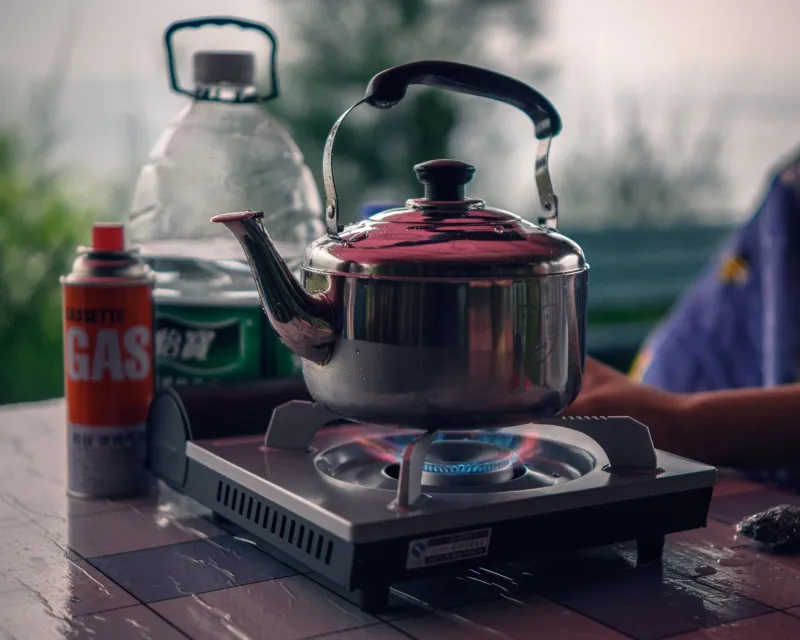
Cooking kit is another quiet tax collector. A multi-fuel stove with priming, separate windshields and a specific pot setup can be brilliant for remote trips. For a two-night camp with a gas canister, it may be more ceremony than you need. The same goes for layering. A jacket with six pockets, three hood adjustments and cuffs that need two hands is not automatically better than a simpler shell. On a windy col, simple wins.
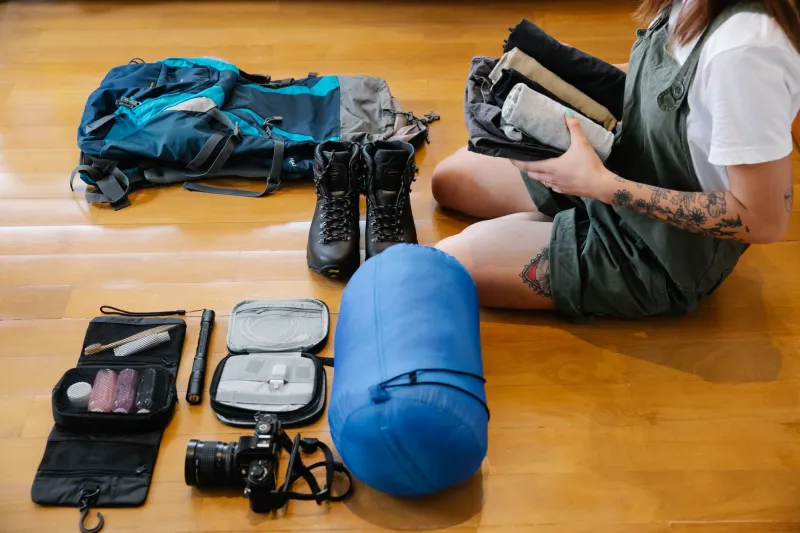
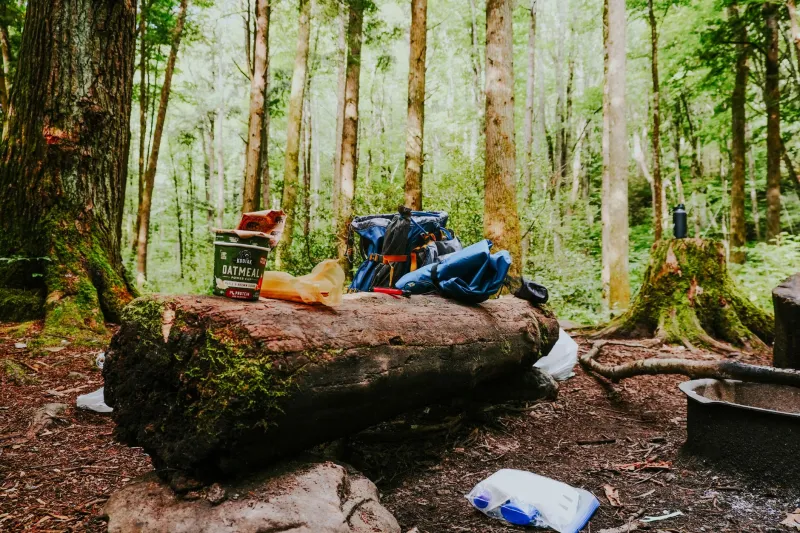
Packing systems can be the worst of all. Ten small stuff sacks feel organised until you need to find the first-aid kit in a hurry. Dry bags without labels become a lucky dip. A pack with one huge opening and no internal structure can be quick, but only if you have a clear plan. The high-faff version is the one that looks tidy on the bedroom floor and becomes a puzzle in a wet porch.
The convenience maths
Convenience is not free. A tent that pitches outer-first might be a little heavier or a little more expensive. A simple gas stove may lack the versatility of a multi-fuel model. A pack with a big U-shaped opening can cost more than a basic lid-and-drawcord design. The question is not whether low-faff kit is better in every way. It is whether the time saved is worth the price, pack size and lost capability for the trips you actually do.
A useful rule is to price gear in minutes as well as pounds. If a £40 dry bag saves you five minutes of rummaging every morning across 20 nights a year, that is more than an hour and a half back. If a heavier tent saves you ten minutes of wet pitching on every trip, it may be worth the extra carry on short weekends. But if you only camp twice a year, the maths changes. Buy for the trips you take, not the trips you imagine.
Low-friction choices for short British trips
Start with the tent. Look for an outer-first or all-in-one pitch if you camp in changeable weather. Practise pitching it once in the garden, with the guylines attached and the pegs in one bag. If you already own a tent, pre-tie the main guylines and replace the stuff sack with one that is slightly too big. Small changes, fewer decisions.
Simplify sleep. A mat with a large valve and a simple inflating method beats a marginally lighter mat that takes ten minutes and a lungful of breath. Keep your sleeping bag in a waterproof liner rather than wrestling with multiple covers. A dedicated pillow is nice; a dry bag with a fleece inside is often enough.
For cooking, a screw-on gas stove, a folding windshield and one pot will cover most UK weekend trips. Pre-measure fuel for the nights you are out. Keep a small lighter in the pot rather than in a separate pouch. If you are a committed bothy cook, by all means take the bigger stove, but be honest about the ceremony it adds.
Layering should be boring in the best way. Base layer, mid layer, shell. Gloves that go on easily with cold hands. A hat you can find without taking off your pack. Put your map and compass in one place and your snacks in another, then keep that system every trip. The goal is not a perfect packing diagram. It is knowing where things are when your fingers are numb.
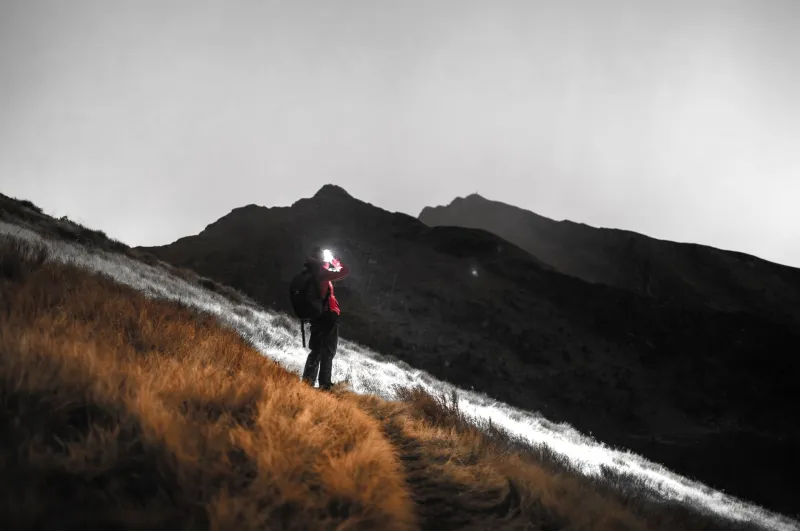
For bothy evenings and dark campsite arrivals, a one-button headtorch with a red mode is worth more than a complicated torch with six menus. Attach it to the same place on your pack every time. Keep a small dry bag for the things you need first: torch, hat, snacks, stove lighter. That is your arrival kit, and it should never be buried.
Audit your own faff
Before you buy anything, time yourself. Set up your tent at home and pack it away. Cook a meal on your stove. Pack your rucksack for a wet hill day. Count the moments when you have to stop and think where something is, or when a task needs two hands and a dry lap. Those are your friction points.
Fix the cheapest ones first. Label dry bags. Replace a fiddly stuff sack. Attach your headtorch to your pack. Pre-tie guylines. Move your snack bag to the top of the pack. You may not need new gear at all. You may just need fewer decisions built into the gear you own.
The faff tax is real, but it is not inevitable. Low-friction kit does not have to be the most expensive or the lightest. It just has to make the short trips feel longer and calmer. Gear up. Get out. Go further.