A Locker, Not a Landfill: The Car-Boot Kit Worth Keeping
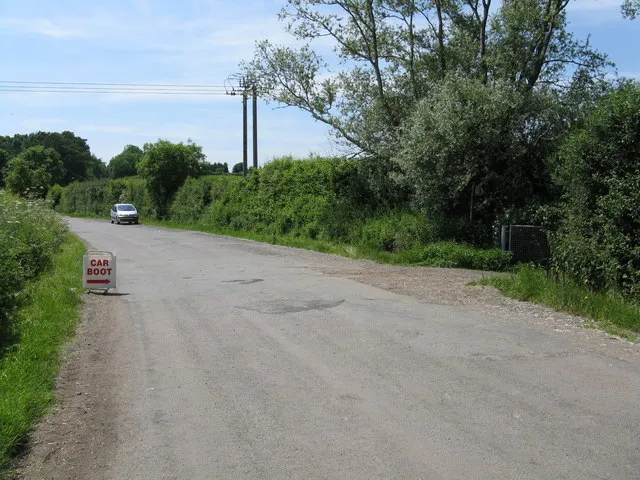
Photo: Whatlep, CC BY-SA 2.0, via Wikimedia Commons
There is a particular smell that greets you when a car-boot kit has gone feral. Warm neoprene, old water, a hint of dog towel, and regret. You open the boot intending to grab a spare layer and instead find a mouldering nest of single gloves, half a bag of haribo and a headtorch with corroded batteries.
The fix is not to cram more in. It is to treat the boot as a small, well-run locker rather than a storage unit. A rolling base camp, if you like, but one with a lease agreement and a monthly inspection.
Why a small permanent kit is worth the faff
Most UK adventures do not begin with a laminated plan. They begin with a text at 4pm on a Friday, a decent forecast, and a narrow window between work and dark. If your kit is scattered across the loft, the shed and the airing cupboard, that window closes while you are hunting for a second walking sock.
A modest kit that lives in the car changes the maths. You still need to pack food, water and your boots. But the boring bits — the spare layer, the torch, the first aid, the cash for the car park machine that predates contactless — are already there. The trip becomes possible rather than theoretical.
The trick is keeping it small. One 30- to 40-litre Really Useful Box or a sturdy duffel is about right. If it needs two hands and a shoehorn to close, it has stopped being a locker and become a landfill.
What lives in there all year
Think of this as the permanent resident list. These items earn their space in every season, and they are cheap enough that you will not weep if they get borrowed, lost or mildly abused.
- A spare base layer and a light midlayer, each in its own dry bag. Not your best merino. A sensible synthetic is fine.
- Two pairs of wool or synthetic socks, sealed in a bag. Dry socks are a morale item.
- A shell jacket, folded loosely rather than compressed under a toolbox. Check it each month for damp.
- A headtorch and a small hand torch, with batteries stored separately or checked regularly.
- A compact first aid kit — blister plasters, a small dressing, tape, painkillers, tick tweezers. Add personal medication if relevant.
- Two litres of water, in bottles you actually rotate. More on that below.
- Cash: a twenty in fives, plus a handful of coins. Rural parking machines, honesty boxes and the occasional chip shop still exist.
- A small emergency shelter or foil blanket, plus a bin bag. Cheap insurance.
- A tea towel, a couple of zip bags and two metres of cord. Endlessly useful.
- A paper map of your local patch and a compass, even if you navigate by phone.
- A phone cable and a small power bank, kept out of direct sun.
- A boot brush or old handbrush. Small, underrated, keeps the car from becoming a peat bog.
That lot should fit in a box you can carry with one hand. If it does not, you are packing for a fortnight rather than a window.
The winter rotation
Come October, the permanent list gets a cold-weather upgrade. Swap the light midlayer for a warmer synthetic or fleece. Add a hat, a buff and a pair of gloves that are warm even when slightly damp. A second headtorch with a longer runtime is not silly when sunset is before you leave the office.
Winter also justifies a proper dry bag for wet kit, a spare pair of gloves, and a flask that goes in and out with you rather than living in the boot permanently. If you walk Scottish hills or high ground in the colder months, a pair of microspikes can live in the box through the season, but take them out in spring so they do not rust quietly against the spare wheel.
Keep a small towel in the winter kit too. It is the difference between changing out of wet trousers in a car park and doing so with dignity.
The summer rotation
In late spring, evict the heavy gloves and the extra fleece. In come a sun hat, a small bottle of sunscreen, insect repellent for midge country, and a lightweight towel. Add electrolyte tablets if you are the sort who sweats through a summer ascent, and a spare pair of lightweight shorts or socks for coast walks that end with wet feet.
Summer is also when water capacity matters more than water storage. Keep the bottles, but do not leave them full and baking in a hot boot for weeks. Empty, rinse and refill before you go. If you carry a bladder, store it dry and separately.
What does not get a permanent home
This is the important bit. The boot is a hostile environment: it gets hot, cold, damp and full of grit. Some kit should never move in.
Gas canisters, lighters with fuel, and anything pressurised should stay indoors. Food that can melt, crumble or go off has no business living there. Wet kit goes in the house, not back in the box. Boots should be dried and stored indoors; leaving them in the car is how you grow a science project in the lining. And cheap batteries left in devices will leak, so either remove them or check them often.
Also, do not store anything valuable in plain view. A lockable box is useful, but a blanket over the kit is cheaper. The goal is a useful locker, not a temptation.
The ten-minute monthly audit
Put a reminder in your phone for the first weekend of the month. Empty the box. Wipe it out. Check the first aid kit for missing plasters. Test the torch. Replace the water. Make sure the cash is still there and has not been spent on an emergency sausage roll. Check the shell for damp and the socks for mysterious smells.
Ten minutes, once a month, is the whole maintenance plan. It is far less effort than discovering, at a rainy trailhead in November, that your spare layer is a damp tea towel and your headtorch is dead.
Get the kit right and the boot stops being a place where gear goes to die. It becomes the reason you say yes to the window — the after-work hill, the Saturday coast walk, the bothy night that starts with a text rather than a spreadsheet. Gear up, get out, go further. Just keep the locker honest.