No Crowds, No Timetable: Why the UK Coast Belongs to Off-Season Walkers
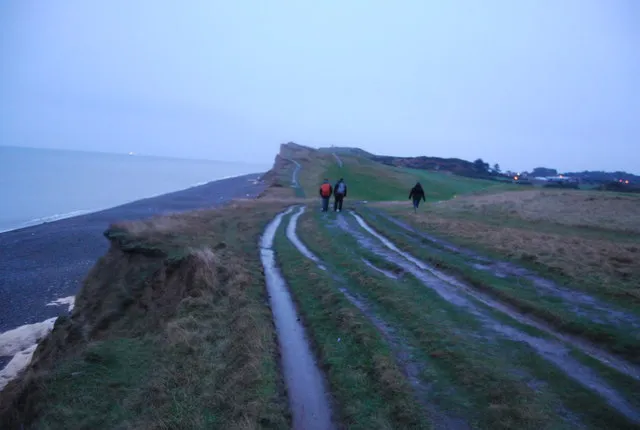
Photo: N Chadwick , CC BY-SA 2.0, via Wikimedia Commons
Here is an unpopular opinion for a summer bank holiday: the UK coast is better when the car parks are half empty. From November to March, the long-distance paths that fringe England, Wales and Scotland become quieter, cheaper and, in their own damp way, more interesting. This is not a call to stride off a cliff in a storm. It is a case for treating the coast as a year-round project, with a bit more planning and a lot more respect for the daylight.
The case for a winter coast
Summer on a popular coast path means sharing every stile with a queue, paying peak prices for a room above a pub, and booking months ahead for the privilege. Off-season, the same path feels like it belongs to the walkers again. B&Bs drop their rates, pubs have space by the fire, and the light is low and dramatic. You see more birds and fewer ice-cream vans. The weather is wilder, but that is part of the appeal. A grey sea and a sharp wind can make a familiar path feel like a proper adventure. The catch is that you have to work with the season rather than against it. Short days are not a problem if you plan for them. They are a reason to walk smarter.
Pick a path that forgives short days
For a first off-season trip, choose a coast path with villages, transport and escape routes. The Norfolk Coast Path is a good example. It is flatter than the south-west coast, it passes through settlements every few miles, and the Coasthopper bus links the main villages, though the winter timetable is reduced. If you want cliffs and drama, Pembrokeshire or Anglesey will deliver, but save those for when you have more daylight and more experience. Norfolk gives you big skies, salt marsh, seals and a very real sense of exposure without the need for alpine starts.
A sample three-day itinerary
This is a gentle introduction, not a challenge walk. Book two nights in Wells-next-the-Sea and use the bus to connect the ends. Check the Coasthopper timetable before you commit, and have a taxi number as backup.
Day 1: Hunstanton to Thornham (about 9 miles)
Start at Hunstanton after breakfast and follow the Norfolk Coast Path east. The first section is easy going, with views across The Wash. Stop for a flask and a sandwich at Holme-next-the-Sea. The path can be muddy after rain, so boots with grip and gaiters are worth the weight. Finish at Thornham, where the pub is a welcome sight. Bus back to Wells or stay local if you have booked ahead.
Day 2: Thornham to Wells-next-the-Sea (about 11 miles)
This is the longest day, so start at first light. The path threads through salt marsh and creeks, and the tide matters. Check the tide tables and do not cut corners across mud. The walking is flat but exposed, so windproof layers and a warm hat earn their place. Arrive in Wells with time to buy supplies and find a drying room. If the weather turns, there are shorter options and bus stops along the way.
Day 3: Wells-next-the-Sea to Blakeney (about 9 miles)
A shorter final day gives you a buffer for weather and transport. The path passes pine woods and marsh, with plenty of birdlife. Blakeney is a good finish, with a harbour, a pub and a bus back to Wells or onward to Sheringham. If the forecast is truly grim, swap this for a circular walk from Wells and call it a win. The point is to be outside, not to tick off miles.
Kit adjustments that actually matter
You do not need a whole new wardrobe for winter coast walking, but you do need to be honest about the conditions. A proper waterproof shell and trousers are non-negotiable. A synthetic midlayer is better than cotton, and a spare dry layer in a dry bag is worth its weight. Take a headtorch, a power bank and a paper map or offline map, because phone signal comes and goes. Trekking poles help on muddy sections and boardwalks. A flask and a sit mat make the short days feel less rushed. Add a warm hat, gloves and a buff. A small emergency shelter or space blanket is sensible on exposed sections. If you are walking alone, tell someone your route and check in at the end of the day.
Safety, tides and the short-day maths
The sea is not a backdrop. It is the main hazard. Check tide times before every day, especially on estuarine paths and beaches. Mud can be deeper than it looks, and creeks fill quickly. Stay away from cliff edges in wind and rain, and do not rely on a phone for navigation. In November and December, daylight can be gone by 4pm, so plan to finish with an hour to spare. That means shorter days, earlier starts and a backup plan. Book accommodation with a drying room if you can, and check that pubs and shops are open. Winter opening hours are not a rumour. They are a fact of life.
Book around the light, not the temptation
It is easy to book a cheap room and then realise the walk to it is two hours longer than the daylight allows. Work backwards from sunset. Pick a finish time, add a margin, and choose a distance that fits. Two nights in one base can be cheaper and more flexible than moving every day. Refundable bookings are worth the small extra cost in winter. And if the forecast is dangerous, cancel. The coast will still be there next weekend.
The coast is not just for summer
The British coast in winter is not a compromise. It is a different experience, and for many walkers it is the better one. The paths are quieter, the pubs are warmer, and the sea is more alive. You just have to pack for the weather, plan for the light and leave your summer expectations at home. Go on a clear, cold day and watch the light change over the marshes. You will wonder why you ever waited for July.