Cold Mornings, Empty Fields: Making the Case for a September or March Camping Trip
Photo: BLM Oregon & Washington, Public domain, via Wikimedia Commons
The August bank holiday has a lot to answer for. You know the scene: a slow shuffle at the site gate, a pitch wedged between two family tents the size of static caravans, a queue for the one shower block that still has hot water, and a warden who has not had a day off since June.
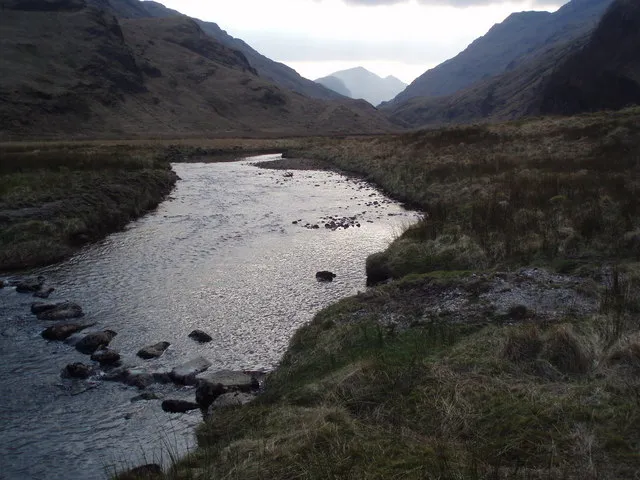
Now wind the clock forward three weeks. Same field, half the people, grass grown back, and at seven in the evening the light is doing something genuinely cinematic across the hills. That is the shoulder season, and for my money it is the best time of year to sleep outside in Britain.
Late September and early March bookend the camping calendar, and both reward a bit of thought with sites that feel like they have been lent to you for the weekend.
Fewer people changes the whole trip
Crowds are not just mildly annoying - they alter what kind of trip you have. On a half-empty site you get a pitch with a view rather than a pitch with a neighbour, you get a warden with time to tell you where the good path up the fell starts, and you get silence after ten, which is worth paying for.
Wildlife turns up too. Late September is red deer rut territory in the Lakes, the Highlands and Exmoor - you will hear stags bellowing across a valley in the small hours, which is either magical or alarming depending on how much you have had to drink. Early March brings lambs, returning curlews and hares boxing in the fields. Both are better than listening to someone else's bluetooth speaker.
Cooler nights are the point, not a problem
A tent at 2am in July is a sauna. You lie on top of the bag, the flysheet drips condensation on your face and you wake up dehydrated. A tent at 2am in late September sits around 6-10C inside, which is roughly what your body wants for deep sleep.
Cold mornings only become miserable when the kit is wrong. Fix that and the cool nights are the feature, not the flaw.
The light is the real reason to go
In late September sunrise is around 06:45 and sunset around 19:00. In early March you are looking at roughly 06:45 and 18:00. Compare that with a June trip where the sun is up before five and you have to set an alarm at silly o'clock to catch anything.
The other thing nobody tells you is that shoulders keep the sun low all day. Even at midday in March the shadows are long and the light is soft, so the hills look better in every photograph you take. Golden hour stretches out for what feels like hours.
Kit tweaks that make cold mornings comfortable
The gear list does not change much - the tolerances do. Five things matter more than the rest.
Your sleeping mat. This is where heat goes. A thin summer foam mat is fine in August and useless in March, because the ground will pull warmth out of you all night. Look for an R-value of about 3.5 or better for late September and 4 or above if you are camping on frost.
Your bag, rated honestly. Ignore the limit rating on the label; work from the comfort rating. A liner adds a useful few degrees and keeps the bag cleaner.
Your stove fuel. Standard butane canisters stop vapourising properly near freezing. Use a propane-butane blend in cold weather, or keep the canister inside your sleeping bag overnight so it starts the morning with some enthusiasm.
A dry place to sit. A small tarp rigged over the tent door gives you somewhere to get boots off, boil water and eat breakfast without kneeling in wet grass. It is the cheapest comfort upgrade in camping.
A headtorch, because it gets dark early. Sunset at seven in late September means you are cooking in the dark unless you go in prepared. Take a spare battery.
Also worth having: a dedicated pair of dry bed socks, a warm hat you keep for sleeping only, a hot water bottle filled at bedtime, and a dry bag for the wet flysheet on the last morning.
The short shoulder-season packing list
- Sleeping mat, R-value 3.5 or higher
- Three-season bag plus a liner
- Propane-blend gas canister
- Small tarp and four pegs
- Headtorch plus spare batteries
- Warm hat, bed socks, midlayer
- Windproof shell and a bothy bag for lunch stops
- Hot water bottle
- Dry bag for wet kit
Three campsite types that shine out of season
Small farm and smallholding sites. Five-pitch Certificated Locations and farm sites are quiet by design, often open all year, and usually have a hardstanding or two for when the ground is soft. Expect ten to fifteen pounds a head and a honesty box.
Woodland and forest sites. Tree cover knocks the edge off wind and the leaf litter drains well. Good for a March trip when you want shelter without a long drive. Check ground conditions before you go, because a wet woodland pitch is a mud bath with a view.
Sheltered valley sites. Low-level sites in places like Edale, Langdale or the Dyfi valley put you within walking distance of big hills and out of the worst of the weather. Remember that valleys are frost pockets, so they run colder at night than the surrounding tops would suggest. Bring the warmer bag.
Before you leave the house
Check the site is actually open - plenty shut at the end of October and reopening at Easter. Look at the Met Office forecast and, for the hills, the Mountain Weather Information Service. Note the sunset time so you are not pitching by torchlight. And pack for wet ground even if the forecast is dry, because British grass holds water for days.
The middle of summer will always have its fans. Let them have the queues. The edges of the season are where the good trips live.