Two Kits, One Shelf: Why Your Hill Pack and Camp Pack Shouldn't Be the Same Bag
Walk into any UK outdoor shop in November and you will meet the same promise: one jacket, one pack, one sleeping bag that handles everything from a drizzly Yorkshire day walk to a frosty Highland camp. It sounds efficient. It is usually a compromise with a nice label.
I am not against versatile kit. I am against kit that pretends British wet-cold is the same as alpine cold, or that a campsite and a hilltop demand the same things. They do not. The honest answer is two small systems, not one heroic one.
The four-season label is doing too much work
In the UK, 'four-season' often means 'we added a bit of insulation and a tougher face fabric'. That can make a jacket too warm for moving uphill in October, too bulky for a summer bothy trip, and still not as protective as a proper shell when the wind turns a shower into horizontal rain. A four-season sleeping bag can be too warm for a lowland summer camp and not warm enough for a February night in a damp glen. A four-season pack can be a 65-litre beast for a day walk and still lack the right pockets for a hill day.
The problem is not the number of seasons. It is the assumption that one item can serve two completely different jobs. On the hill, you are moving, sweating, exposed and trying to carry less. At camp, you are static, cooling down, cooking and trying to stay dry and warm. Those jobs pull kit in opposite directions.
System one: the wet-and-cold hill kit
This is the kit for UK hill days from late autumn through early spring, plus any wet summer day where the forecast is doing its usual thing. The priority is protection while moving, not luxurious warmth.
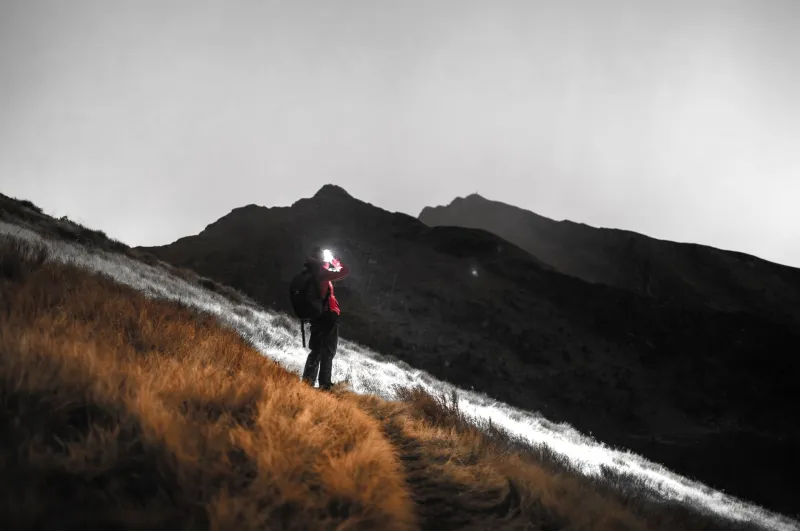
The core is a waterproof shell with a proper hood and pit zips, worn over a wicking base layer and a light synthetic midlayer. Add a fleece or grid fleece for colder starts, and keep a synthetic insulated jacket in the pack for stops. Waterproof over-trousers live in the bag from October to April. So do spare gloves, a warm hat, a map and compass, a headtorch, an emergency shelter and a flask.
A 30 to 35-litre pack is usually right for a UK winter day. It carries the layers you are not wearing, food, water and safety kit without turning you into a packhorse. The sleeping bag does not belong here. Neither does the camp stove, unless you are deliberately combining a hill day with a bothy night.
The hill system is about layers that can be added and removed quickly. It is not about one jacket that claims to do everything. A shell keeps the weather out. An active synthetic layer keeps you warm when you slow down. A spare dry layer in a dry bag is worth more than a fancy feature you never use.
System two: the warm-and-dry camp kit
This is the kit for static camp, bothy nights and the bit of the trip where you stop moving. The priority is warmth and dryness, not sweat management on a climb.
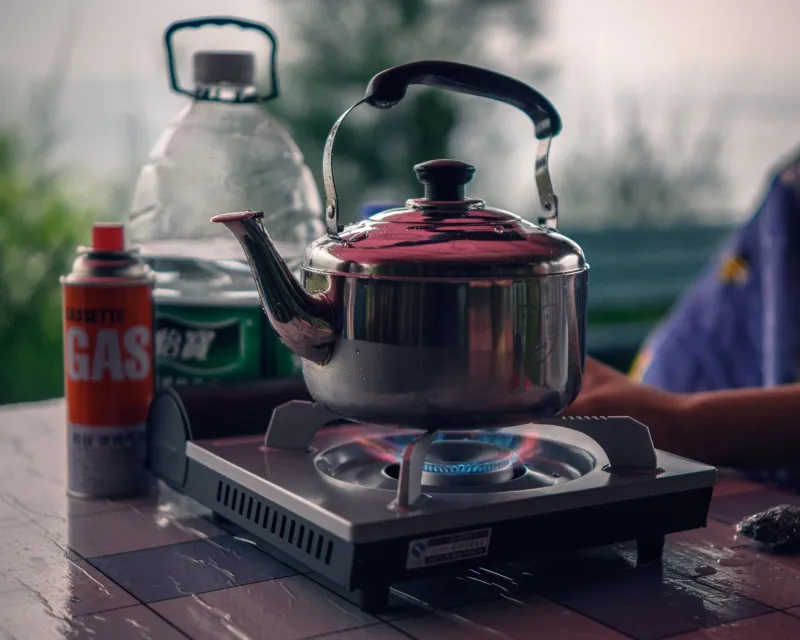
The centrepiece is a proper belay-style jacket, synthetic or down, kept dry and used at camp. It can be bulkier and warmer than anything you would want to carry up a hill. Add dry base layers, camp trousers or leggings, thick socks, a warm hat and a decent insulated mat. Your sleeping bag should match the season you actually camp in, not a theoretical four-season average. A tarp or tent, stove, fuel, lighter, cook kit and lantern complete the picture.
A 50 to 65-litre pack makes sense here because you are carrying comfort and shelter rather than racing weather. The camp system can be heavier and simpler. It does not need to be streamlined for a summit push. It needs to keep you sane at 8pm when the temperature drops and your boots are wet.
Where the overlap actually works
You do not need two of everything. Some kit genuinely belongs in both systems: headtorch, first aid kit, dry bags, water treatment, map and compass, stove and lighter, repair kit, flask or water bottle. Base layers can overlap if you are disciplined about keeping one set dry for camp.
A waterproof shell can serve at camp in an emergency, but do not build your camp warmth around it. A synthetic midlayer can do double duty if it stays dry. The expensive mistake is assuming your down belay jacket can go on the hill in UK rain. Once it is wet, it is not warm; it is ballast.
The useful rule is simple: if an item lives in both systems, it needs a dry bag and a clear job. If it only works in one system, stop trying to force it into the other.
Where UK buyers waste money
Three-in-one jackets are the classic trap. You get a waterproof shell and a zip-in fleece that is rarely warm enough on the hill and rarely cosy enough at camp. A huge do-everything pack is another. It is miserable on a day walk and still not as comfortable as a proper camp pack. Convertible trousers sound clever until you are fiddling with zips in a hail shower.
Then there is the premium single item. A £400 jacket that claims to handle everything often does neither job as well as a £180 shell plus a £120 synthetic midlayer. A four-season sleeping bag can cost more than two honest bags that actually match your trips. The money is better spent on two modest systems than one aspirational one.
A simple cupboard rule
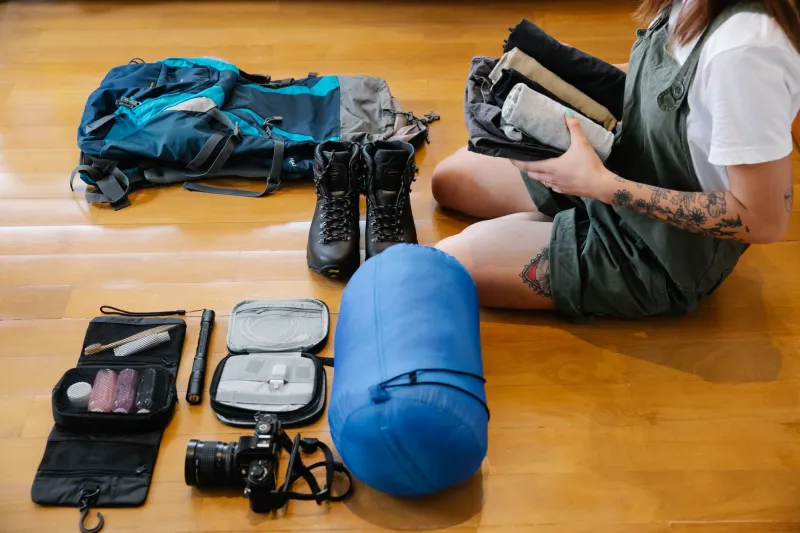
Sort your kit into three piles: hill, camp and shared. Keep the hill pile light, weatherproof and layer-based. Keep the camp pile warm, dry and comfortable. Keep the shared pile small and boring: lighting, safety, cooking, repair. Audit it once a season. If something has not left the shelf in a year, ask whether it is serving a system or just salving a buying impulse.
Two kits do not mean two of everything. They mean two clear jobs. Once you stop asking one pack or one jacket to be everything, British weather becomes easier to dress for, and your bank balance gets a bit of breathing room too.