Before the Brew Goes On: A Tick Routine for Tired Hill Legs
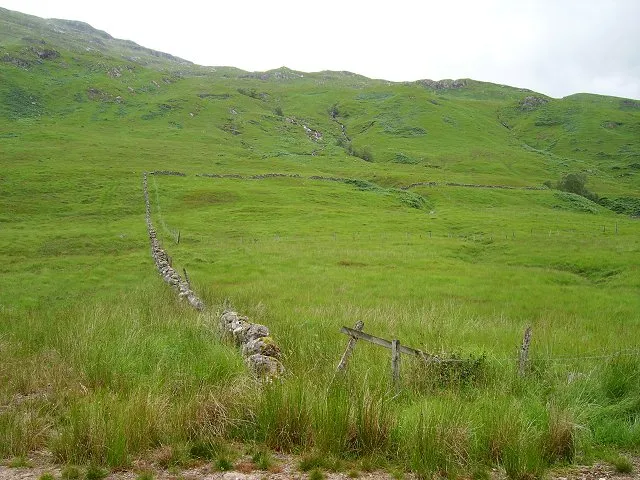
Photo: Richard Webb, CC BY-SA 2.0, via Wikimedia Commons
You get back to the car, drop the pack, wrestle off a boot and start dreaming about a brew. That is exactly the moment a tick check tends to fall off the list. Not because anyone is careless, but because tired legs and hungry brains are not natural auditors. The fix is not a lecture. It is a small routine that happens in the same five minutes as boot-off and kettle-on, before the drive home and before the rest of the week gets in the way.
Why the car park is the right place
Ticks in the UK are not fussy about postcodes. Rough grassland, bracken, heathland, woodland edges, grazed fields and even a suburban park with long grass can all hold them. Sheep, deer, cattle and dogs move them about, and the seasons are less tidy than many people assume. Late spring and early summer are busy, but mild autumns and damp winters mean a tick can turn up outside the months you might expect.
A tick that has just attached is usually easier to deal with than one that has had a day or two to settle in. That is the practical reason for checking at the car: you shorten the gap between exposure and removal. It is not about turning every walk into a medical event. It is about doing the boring, useful thing while you are still in your walking clothes and can see your own ankles.
The five-minute once-over
Start with the bits you can see without undressing in public. Turn your socks down and look at your ankles and lower legs. Run your hands up the back of your calves and behind your knees. Check the waistband of your trousers and the hem of your top. If you have been wading through bracken, check the cuffs and pockets too. Then use a phone camera or a mirror for the places that are harder to see: armpits, groin, navel, the back of your neck and your hairline.
Hair is where the tiny ones hide. Run your fingers through to the scalp, especially behind the ears and at the nape. If you have been out with a dog, give them a quick run-over as well, particularly around the ears, neck and paws. A light-coloured baselayer helps because it makes a dark speck easier to spot, but it is no substitute for actually looking.
If you are out for a long day, a mid-walk check is worth doing when you stop for lunch. It does not need to be forensic. A glance at wrists, waistband and ankles will catch a lot. The car-park check is the proper one, but a halfway look is a sensible habit on heathland days when you have been brushing through tall vegetation.
Kit that makes it happen
A tick tool or a pair of fine-tipped tweezers lives happily in a small zip bag at the top of your pack. It weighs almost nothing and removes the excuse of having nothing to hand. A tick removal tool with a notch is easy to use, especially on a wriggling dog or a tick tucked into a knee crease. Fine-tipped tweezers are just as good if you are careful. What you do not need is a lighter, petroleum jelly, alcohol or a pocket knife. Those are old folklore, not removal methods.
Add a small mirror, or rely on your phone camera, and a couple of antiseptic wipes. A tiny zip bag is useful for keeping a removed tick if you want to photograph it or show it to a pharmacist, though it is not essential. A note in your phone with the date and location of the bite is more useful than trying to remember it in a fortnight. The whole kit should be small enough that it simply stays in the pack between trips, rather than being a special-occasion item you have to remember.
Removing one without drama
If you find a tick, stay calm. Use the tweezers or tool to grip the tick as close to the skin as you can and pull upwards with steady, even pressure. Do not twist or jerk. Do not squeeze the body. If the mouthparts stay in the skin, try to remove them with the tweezers, but do not dig around and make a mess. Clean the area afterwards with soap and water or an antiseptic wipe.
A small red bump in the first day or two is common and not automatically a problem. The thing to watch for is a spreading rash, especially a bullseye-style rash, or flu-like symptoms such as fever, headache, fatigue or aching muscles. These can appear within days or up to a few weeks after a bite. Not every tick carries Lyme disease, and not every bite leads to illness, but it is worth knowing the signs rather than hoping for the best.
When to ring the GP
If you develop a spreading rash or feel unwell after a tick bite, contact your GP or NHS 111. Mention the bite and when it happened. If you have removed a tick and are unsure whether it was fully out, or the area is becoming increasingly red, swollen or painful, get advice. Do not wait for a perfect bullseye rash, because it does not always appear. Equally, do not panic at every speck. The point of the routine is to make removal timely and to make sure you know what to look for afterwards.
A habit, not a fright
A tick check is not the most glamorous part of a hill day. It sits somewhere between emptying the flask and finding the car keys. But that is exactly why it works: it belongs to the same tired, practical moment as everything else. Boots off, socks turned down, a quick look at the back of the knees, a brew on. Five minutes, done.
Keep the tool in the pack, keep the check boring, and keep the brew waiting for just long enough to make it a habit.